
Should You Buy Samsung Electronics Right Now? Earnings, the Semiconductor Cycle, and Key Variables


Samsung Electronics is in every conversation about Korean stocks, yet making an actual decision about it is harder than you would think. Familiarity, oddly, makes you more careful, not less. 🙂
The mood this time is different, though. The Q1 2026 guidance came in strong enough to reignite the question: “is the real recovery finally underway?”
As of April 15, 2026, this piece covers where Samsung stands, what the Q1 surprise actually means, and the near- and long-term checkpoints — official sources first.

Pairs well with this article
Monitor Light Bar That Cuts Eye Strain
💬 One-line tip: late-night chart and filing sessions get noticeably kinder once you fix the ambient lighting alone.
✨ Key takeaways

Up front: Samsung’s momentum has genuinely changed. The Q1 guidance was strong, and both Q4 2025 and the full-year results showed improvement.
But for a mega-cap, what matters far more than one surprise is the next quarter — whether the improvement keeps spreading division by division. That verification phase is exactly where we are now.
- Strength: Q1 guidance and the annual trend both look better.
- Checkpoint: how far the semiconductor recovery extends.
- Practical point: separate the enthusiasm from the earnings durability.
📈 What actually changed for Samsung

Per the official newsroom, Samsung’s preliminary Q1 2026 guidance was roughly KRW 133 trillion in revenue with about KRW 57.2 trillion in operating profit — numbers that made the market’s honest reaction “much stronger than expected.”
FY2025 closed at KRW 333.6 trillion in revenue and KRW 43.6 trillion in operating profit, and the Q4 2025 earnings release noted DS division memory revenue at an all-time high.
So Samsung today is not a “recovery hope” — it is a mega-cap whose numbers already improved and is now being asked to prove the trend continues.
- The Q1 guidance lifted the market’s bar decisively.
- Q4 2025 and the annual results also showed an improving trend.
- The right read is a “durability check,” not the first leg of a rebound.
🚀 Why the long-term case is back on the table

The reason to revisit Samsung long term is not just memory prices rebounding. Memory recovery, AI-related demand, and a broader big-tech cycle upturn are all braided together here.
In the Q4 release the company said DS memory revenue hit a record, and the read-through kept pointing to AI server demand and a rising share of high-value products.
Samsung’s portfolio is so wide that no single line explains it — but it is also the archetypal mega-cap whose feel changes most when semiconductors improve.
- Memory recovery plus AI demand anchor the long-term logic.
- A broader big-tech cycle recovery adds tailwind.
- The breadth of the portfolio is itself a long-run strength.
Pairs well with this article
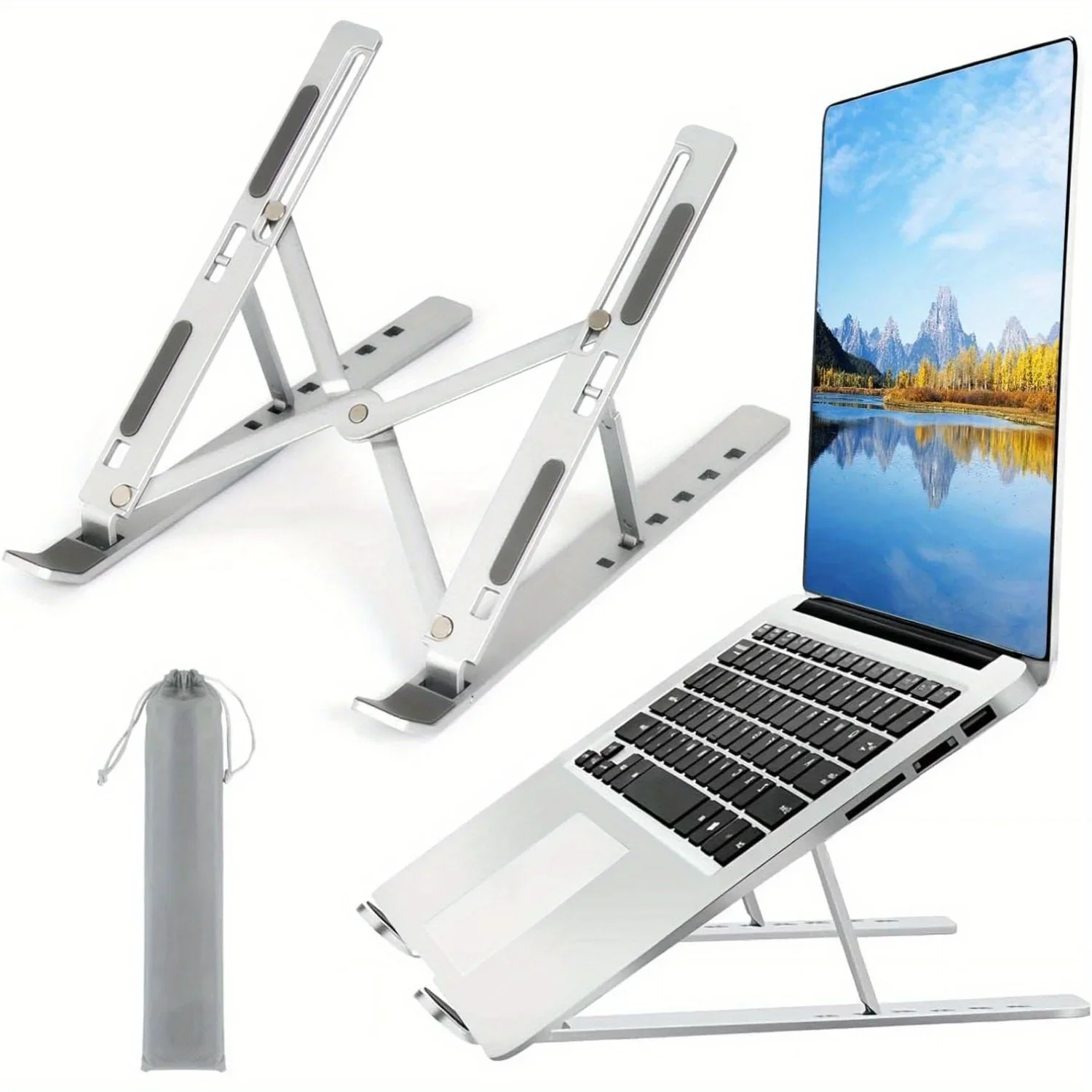
Laptop Stand That Makes Long Sessions Easier
💬 One-line tip: raising your eye line just a little cuts intraday fatigue more than you would expect.
⚠️ What to watch carefully in the near term

First, the post-surprise bar. When a mega-cap prints one strong number, the market tends to pre-load expectations for the quarter after that, and the cycle beyond.
Second, division-level temperature gaps. Samsung is too big to move on semiconductors alone — you need mobile, display and appliances in view before the picture feels complete.
Third, the classic mega-cap sluggishness. Even good results can feel underwhelming against expectations, and the price reaction retail actually feels can be slow.
- The bar rises quickly after a surprise.
- Improvement moves at different speeds by division.
- Mega-caps can be slow to reward good numbers.
🧭 The sensible way to approach Samsung now

True to its status as Korea’s flagship mega-cap, Samsung usually suits a long watch rather than a big short flip.
Especially now, with some rebound optimism already priced in, the price may lag expectations while the next quarter is being verified.
So for a name like Samsung, easing in while tracking earnings verification and cycle durability is a more natural stance than chasing short-term explosiveness.
- The larger the flagship, the better the long view fits.
- Manage expectations right after the surprise.
- The next quarterly confirmation is the hinge.
🗓️ Numbers and dates to watch together

From here, the April 30 Q1 earnings release and conference call matter most — the division-level detail after the raw guidance is what sharpens the market’s interpretation.
Also track the memory market, the share of AI-related high-value products, the won and foreign flows, and the Bank of Korea’s rate decision to see the real trend.
- April 30 Q1 results and conference call
- Whether DS profitability holds
- Memory conditions and the AI product mix
- The won exchange rate and foreign investor flows
Pairs well with this article
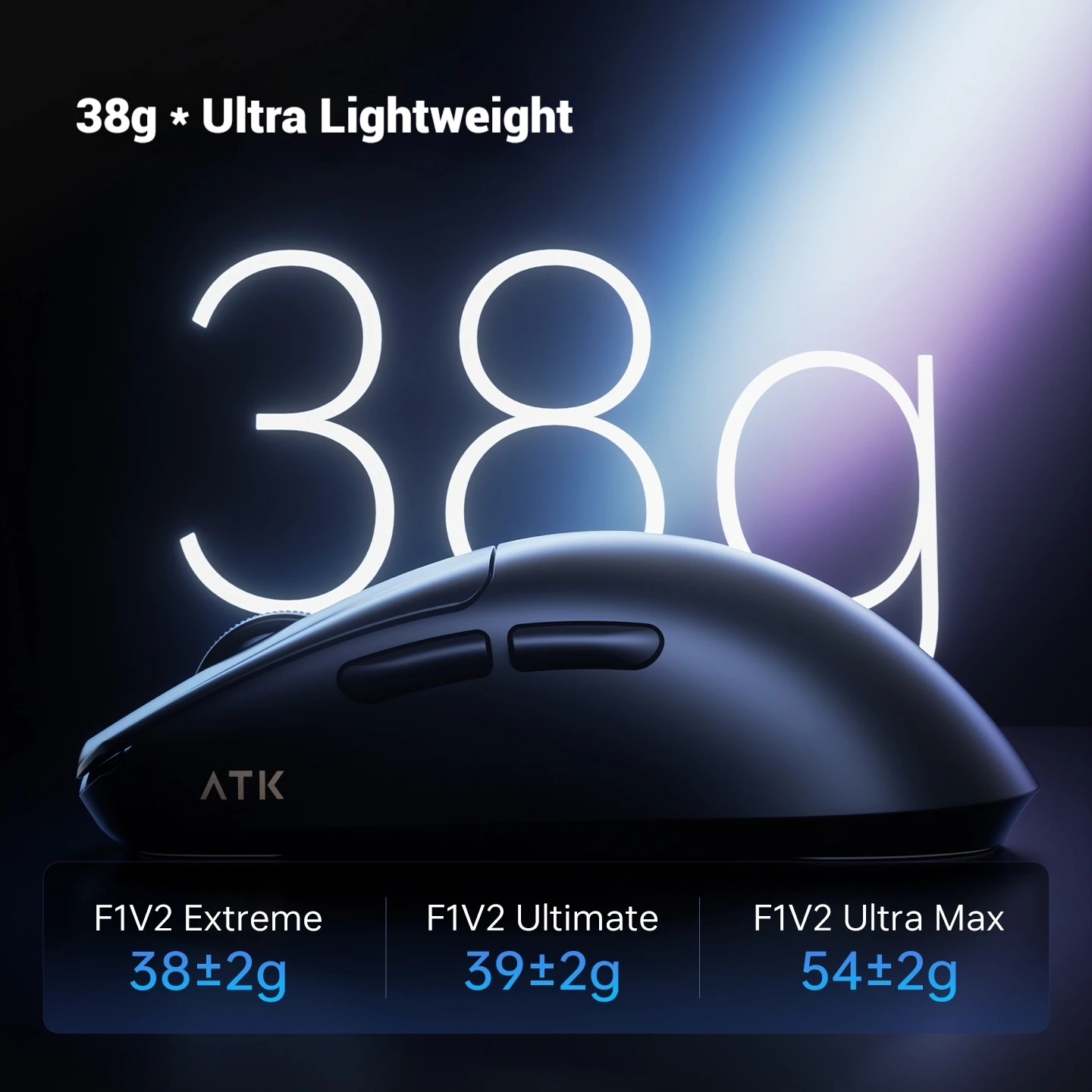
Wireless Mouse Built for Notes and Chart Switching
💬 One-line tip: if you live between charts, notes, and browser tabs, the right basic tool is felt more than you’d think.
❓ FAQ

❓ Has Samsung’s recovery truly started?
The improvement is real, but for a mega-cap the quarter after the surprise matters more than the surprise itself.
❓ Is it a less aggressive pick than SK hynix?
Generally yes. The portfolio is far broader, and the volatility profile is correspondingly different.
❓ Is it too late to enter now?
With rebound optimism already attached, that feeling is natural near term — which is exactly why pacing your entry is the calmer path.
❓ Is it fine as a long-term holding?
As Korea’s flagship mega-cap there is plenty of long-term rationale. The crux is how durable the semiconductor recovery proves.
🔎 Public sources referenced


