


The S&P 500 is written like the default setting of U.S. stocks. But lately the conversation has expanded: not just “the S&P 500,” but whether to hold it market-cap weighted or equal weighted. 📈
The reason is simple. On the surface it is 500 stocks of diversification; in lived experience, a handful of mega-cap tech names now call most of the shots.
As of April 15, 2026, this piece covers whether it is reasonable to buy the S&P 500 now — and why equal-weight versions of the same index are getting renewed attention.

Pairs well with this article
Monitor Light Bar That Cuts Eye Strain
💬 One-line tip: late-night chart and filing sessions get noticeably kinder once you fix the ambient lighting alone.
✨ Key takeaways

Up front: for long-horizon investors the S&P 500 itself remains very much valid. But concentration has grown to the point where, at the same nominal exposure, cap-weighted and equal-weighted versions now behave like genuinely different products.
So the honest question is not one question — “is the S&P 500 good?” — but two: “am I comfortable with a Big-Tech-led S&P 500?” and “would a more evenly spread equal-weight version suit me better?”
- Baseline: the S&P 500 is still a long-term core.
- Extra homework: concentration risk now has to be priced into the decision.
- Practical point: understand how SPY and RSP differ before choosing.
📊 Where the S&P 500 stands right now

On April 15, 2026, SPY traded at $694.46 and RSP at $216.15. In headline terms both are bets on U.S. large caps; in lived experience they are quite different animals.
Invesco’s official RSP commentary shows the S&P 500’s top 10 holdings reaching 36.5% of the index by the end of Q2 2025. Against a 35-year average of roughly 21%, today’s index feels less like a diversified basket and more like a few mega-caps with a tail of other stocks.
Which means buying the S&P 500 is increasingly, in practice, a question of “how much do you believe in Big Tech?”
- SPY is cap-weighted, so the top names dominate.
- RSP spreads the 500 names far more evenly.
- Same “U.S. index,” different volatility and different interpretation.
🧠 Why the S&P 500 still earns long-term praise

The index’s enduring appeal is broad ownership of American profit growth and innovation at once. And in an era when AI flows directly into earnings and capex, top names towing the whole index can be a feature, not a bug.
Read together, the Fed’s March 2026 dot plot and the BLS employment and inflation prints say the U.S. economy has not bent over backwards, and Big Tech results keep holding up. In that environment the case for the S&P 500 as a default position is clear.
But even long-term investors should not wave away concentration. Hence the popular modern stance: “SPY for the base, equal weight for the hedge.”
- Broad capture of U.S. champion-company earnings.
- If AI and Big Tech stay strong, cap weighting can actually help.
- Long-term validity and short-term concentration risk can be held in the same frame.
Pairs well with this article
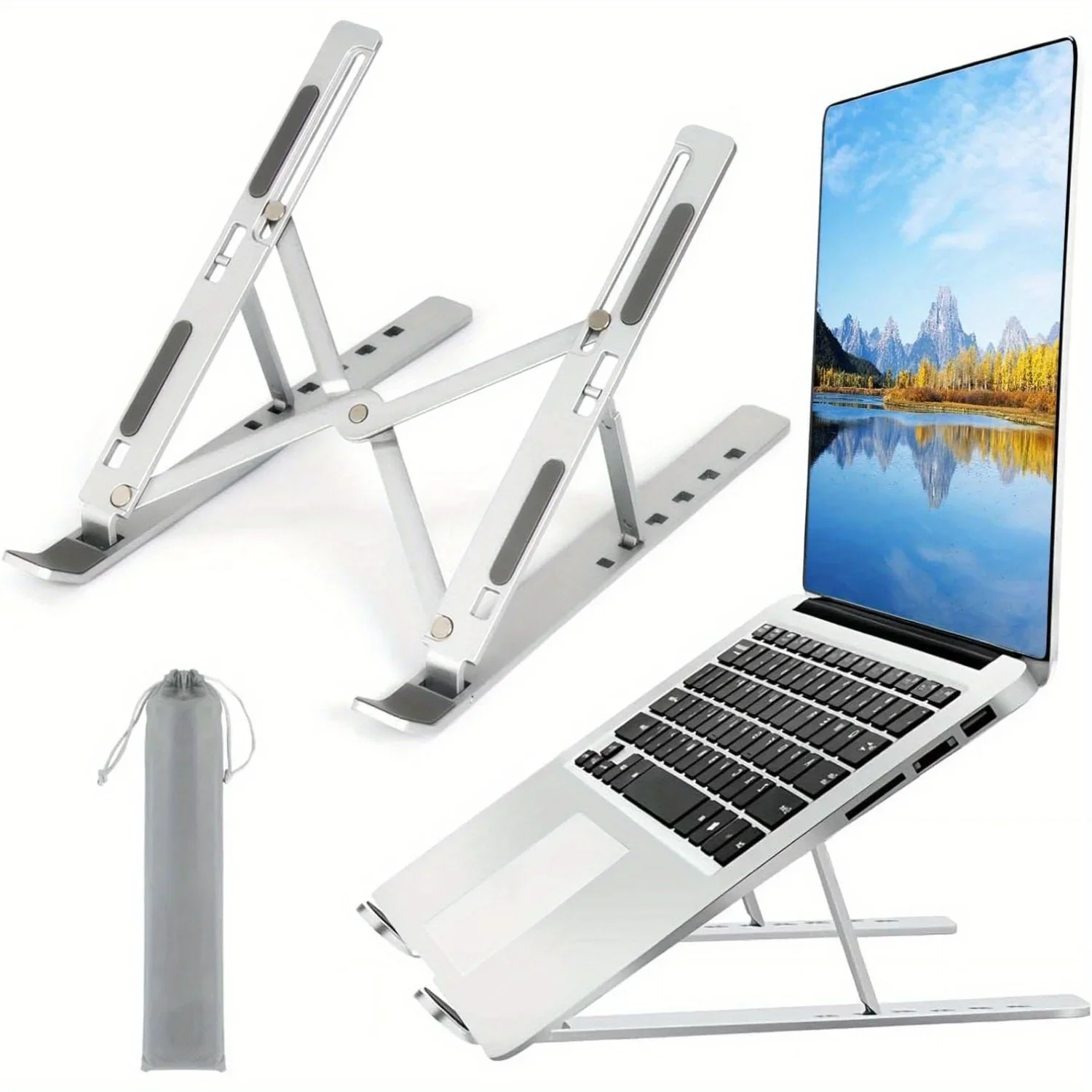
Laptop Stand That Makes Long Sessions Easier
💬 One-line tip: raising your eye line just a little cuts intraday fatigue more than you would expect.
⚠️ Why does equal weight keep coming up?

Concentration, mostly. Per Invesco’s data, as of January 31, 2025 the technology plus communication-services weight in RSP was 17.3%, versus 44.7% in the cap-weighted S&P 500. Two “U.S. large-cap” products with very different tilts.
Concentration helps in a bull run led by the giants — but when expectations for the top names break, it can rock the entire index harder. That is why equal weight is being re-read not as a mere alternative but as a concentration-relief tool.
Equal weight is no cure-all, though. If the slowdown drags on or smaller names weaken, it can trail the cap-weighted index.
- SPY carries heavy mega-cap tilt risk.
- RSP diversifies better but does not always win.
- Decide first which risk you are less willing to live with.
✅ So SPY or RSP from here?

If Big Tech and AI leadership keep compounding, SPY is the more intuitive pick — U.S. market leadership still belongs to the largest tech names, and cap weighting rides that flow directly.
If the top-10 weight feels like too much and you want broader diversification, RSP may sit more comfortably. It is especially persuasive for people who like U.S. equities but hate how concentrated the flagship index has become.
Realistically, you do not have to choose one: keep SPY as the base and supplement part of it with RSP — a perfectly respectable blend.
- SPY rides the leading-stock regime more directly.
- RSP’s edge is concentration relief.
- Owning both is a genuinely practical option.
📌 Points to keep checking

Going forward, watch the Fed’s rate path, inflation and payrolls — and how long top Big Tech earnings can keep propping the market up.
On the equal-weight side, check whether concentration relief actually converts into performance; “diversification is good” alone is not an argument.
- Whether top-10 concentration keeps rising
- How the Fed and inflation trend hit growth-stock valuations
- Whether RSP’s relative performance genuinely improves
Pairs well with this article
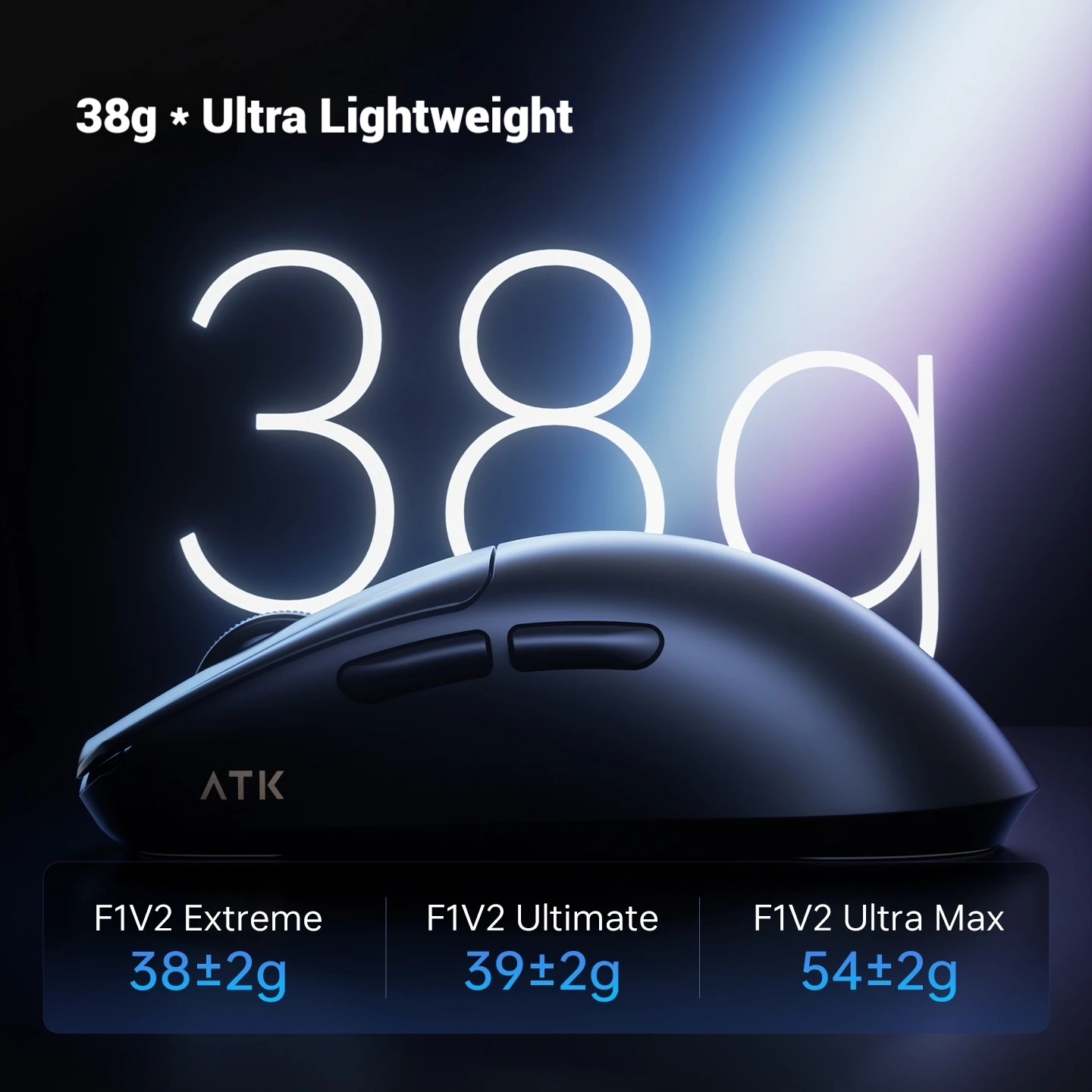
Wireless Mouse Built for Notes and Chart Switching
💬 One-line tip: if you live between charts, notes, and browser tabs, the right basic tool is felt more than you’d think.
🙋 FAQ

❓ Is the S&P 500 still a fine default?
Yes, as a long-term base it remains sound. But because top-heavy Big Tech exposure has to be part of the analysis now, the reading matters more than it used to.
❓ Is equal weight safer?
“Safer” is too absolute — but it unambiguously helps reduce concentration risk.
❓ Can I hold SPY and RSP together?
That may be the most realistic answer of all: split the position between leading-stock momentum and diversification.
❓ Does RSP lose if Big Tech stays strong?
It can. Concentration relief is the feature, and in a strong-leader market that same feature means relative performance can lag.
🔎 Public sources referenced


