The Nasdaq looks like it has run so far that jumping in now feels late — yet the AI story does not seem finished, so letting go feels wrong too. 😅 That is exactly how the market feels these days.
So instead of going by vibes, this piece walks through, as of April 15, 2026, where the Nasdaq actually stands, why it can wobble in the short run, and why the long-term AI growth engine still looks intact.
The big picture first: today’s Nasdaq is neither a market that died of expensiveness nor a market that is comfortable to enter at literally any moment. It is a near-term-sensitive market with a genuine long-term case underneath it.

Pairs well with this article
Monitor Light Bar for Long Chart Sessions
💬 Reviewer takeaway: bought mostly to cut glare and sharpen desk focus during marathon chart and filing sessions.
✨ Key takeaways

Short version: near term, the Nasdaq carries real price fatigue after its run and can be knocked around by rate and inflation prints. Long term, AI infrastructure, cloud, data centers, and chip demand are converting into actual revenue — this is not a rally floating on pure hope.
- Short term: volatility expands if rate-cut expectations slip or inflation reaccelerates.
- Long term: the index’s top is packed with companies where AI demand shows up in the numbers.
- Practical: staged entries and a watched calendar fit this stretch far better than one big bet.
📈 Where the Nasdaq stands right now

Structure first: the Nasdaq 100 is the 100 largest non-financial companies listed on the Nasdaq market. So when people say “the Nasdaq is up,” they really mean a bundle of tech, growth, and AI-linked mega-caps.
On the official NDX page, the April 14, 2026 close was 25,842.00, and flagship ETFs like QQQ held similarly elevated levels around the same date. Translation: this is not a pick-cheap-fragments-off-the-floor market.
Expensive, however, is not the same as over. Markets distinguish between expensive-but-earned and expensive-on-hope-alone — and by the standards of its core top names, today’s Nasdaq is still closer to the former.
- On March 18, 2026 the Fed held its policy-rate target range at 3.50%–3.75%.
- Same meeting’s projections: median 2026 GDP 2.4%, unemployment 4.4%, PCE 2.7%.
- So this is less a recession-panic tape and more a market endlessly auditing the rate path and the pace of disinflation.
🤖 Why the AI growth story keeps being told

The long-term case is simple: AI is no longer a theme — it shows up in revenue and capex. The companies driving the Nasdaq are both spending real money and earning real money.
Nvidia’s Q1 FY2026 revenue was $44.1 billion, of which $39.1 billion came from data centers. Microsoft’s Azure and other cloud services grew 39% in Q2 FY2026, with management noting demand still exceeds supply.
Alphabet reported Q4 2025 cloud revenue up 48% and guided 2026 capex to $175–185 billion. Amazon’s AWS grew 24% with roughly $200 billion of 2026 capex planned, heavily weighted to AI infrastructure.
Broadcom posted Q1 FY2026 AI semiconductor revenue of $8.4 billion, up 106% year over year, guiding Q2 AI revenue to $10.7 billion. At that point we are past “AI sounds nice” — the top names’ numbers are already restructuring the market.
- Nvidia: the core GPU supplier for AI compute
- Microsoft / Amazon / Alphabet: the cloud and data-center investors that run AI
- Broadcom: growing winner in AI networking and custom chips
- All of these legs being alive at once is the strongest pillar of the long-term Nasdaq case.
Pairs well with this article
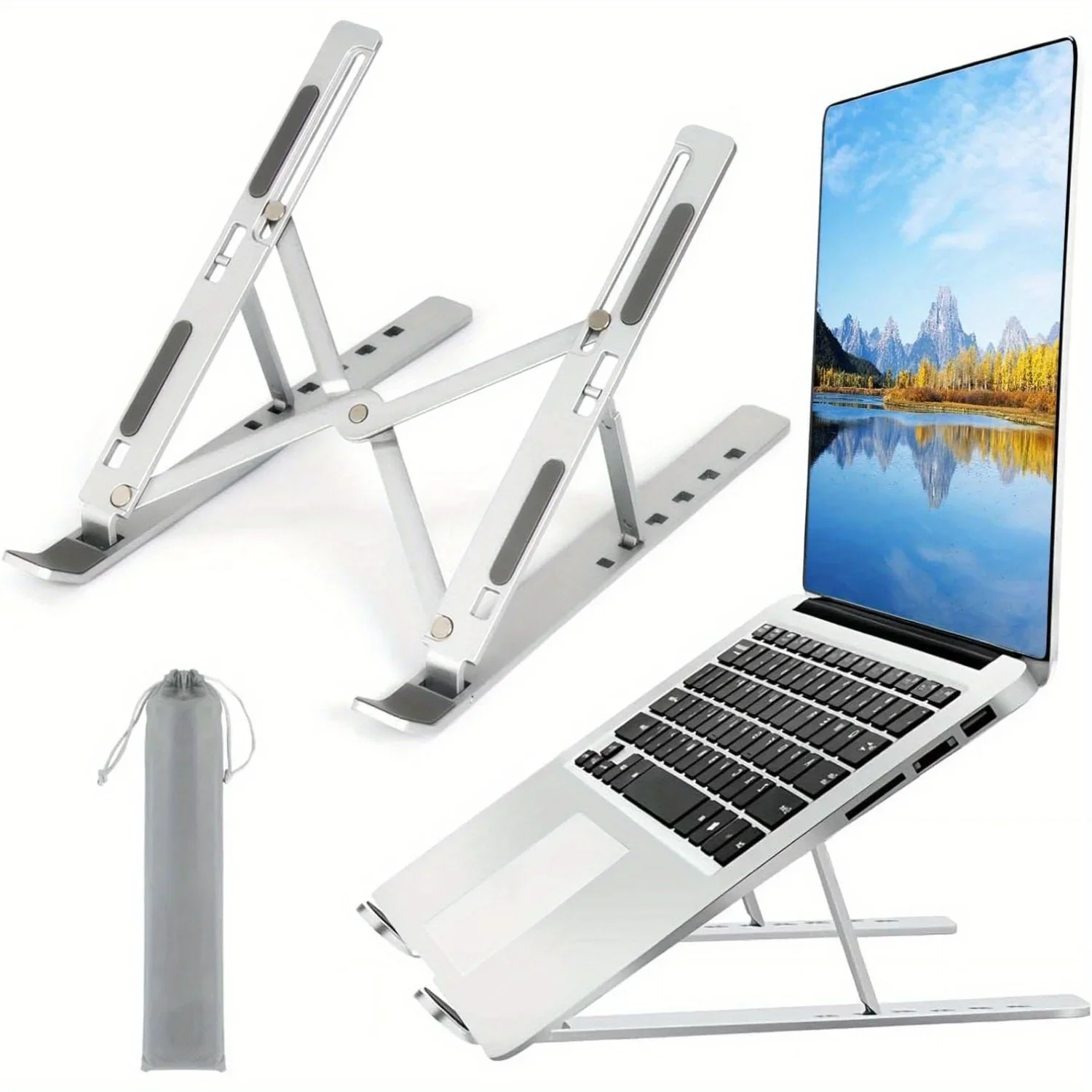
Laptop Stand That Fixes Your Eye Line
💬 Reviewer takeaway: once your screen height and sightline are sorted, reading filings and jotting notes gets far easier than expected.
⚠️ Then why is everyone talking about a pullback?

A great long-term story does not draw a straight line up. The cautious camp points to three things: rates, inflation, and an earnings season where the bar is sky-high.
March 2026 CPI came in at 3.3% year over year and 0.9% month over month on the headline. Core CPI eased to 2.6% year over year — but that is still not a clean “inflation is tamed” print.
The labor market is not weak either: March nonfarm payrolls rose 178,000 with unemployment at 4.3%. That is an economy holding up, not cracking — which shifts the market’s question from “will cuts come soon?” to “what if they come slower than expected?”
And the decisive point is the expectations bar. The top names are already performing so well that merely “good” is not enough; they have to beat the beat for the stock to relax. That is exactly what makes each earnings season exhausting.
- If the Fed cannot cut quickly, growth-stock multiples strain.
- Any inflation bounce hits the Nasdaq harder than most indices.
- Even strong Big Tech quarters can trigger heavy profit-taking if guidance disappoints.
🆚 Why some investors are calmer with the S&P 500

Rather than asking which index is “better,” it is more realistic to ask which volatility you can actually live with. QQQ tracks the Nasdaq 100; SPY tracks the S&P 500 — same “U.S. stocks,” very different lived experience.
The Nasdaq leans hard on AI, semiconductors, cloud, and platform names; when the direction is right it moves with far more torque. The S&P 500 spreads across more sectors, which is easier on the nerves — though mega-cap tech dominates U.S. indices broadly, so they are not separate universes.
- Aggressive, growth-first? The Nasdaq likely fits.
- Still want America, but wider? The S&P 500 is the calmer seat.
- The real variable is not expected return — it is the drawdown you can stomach.
🧭 If you enter now, what is the least reckless way?

From here, minimizing mistakes matters more than picking the perfect entry. I would rather plan “how do I enter in tranches” than agonize over “all-in right now or not.”
Because the long-term logic is alive and near-term turbulence is entirely possible. Fear of missing the rally makes you overpay at the highs; fear of the dip makes you skip the good stretches forever.
- Several smaller entries beat one large lump sum
- Slow the buying pace around earnings season, CPI, and FOMC
- If the Nasdaq alone feels intense, split the position with the S&P 500
- Separate “is the thesis breaking” from “is the price just wobbling”
🗓️ Numbers and dates to keep watching

If you intend to stay with the Nasdaq, “AI good” is not an analysis. The full picture needs inflation, payrolls, the Fed, plus Big Tech capex and cloud growth rates on the same screen.
Through 2026 the pivotal question is how long AI infrastructure spending stays this hot. Everyone is investing now, but at some point the market will start asking “so how much of that money is coming back as profit?” — and get picky about the answer.
- CPI and PCE: the prints that move the rate path
- Employment data: is the U.S. too strong, or finally cooling?
- Earnings and guidance from Nvidia / Microsoft / Amazon / Alphabet / Broadcom
- AI capex durability and any deceleration in cloud growth
🧩 So — buy the Nasdaq now or not?
My read: a market that still fully deserves long-term attention, because AI-linked revenue, investment, and top-cap earnings are verifiable in the numbers. It is also a market that punishes bad timing, because it has rallied far and remains sensitive to inflation, rates, and the earnings bar.
So the honest stance is neither “buy everything today” nor “it’s over.” The natural position is to accept the long-term logic and handle the short-term price slowly. The Nasdaq remains attractive — and simultaneously demands pacing. 🙂
Pairs well with this article
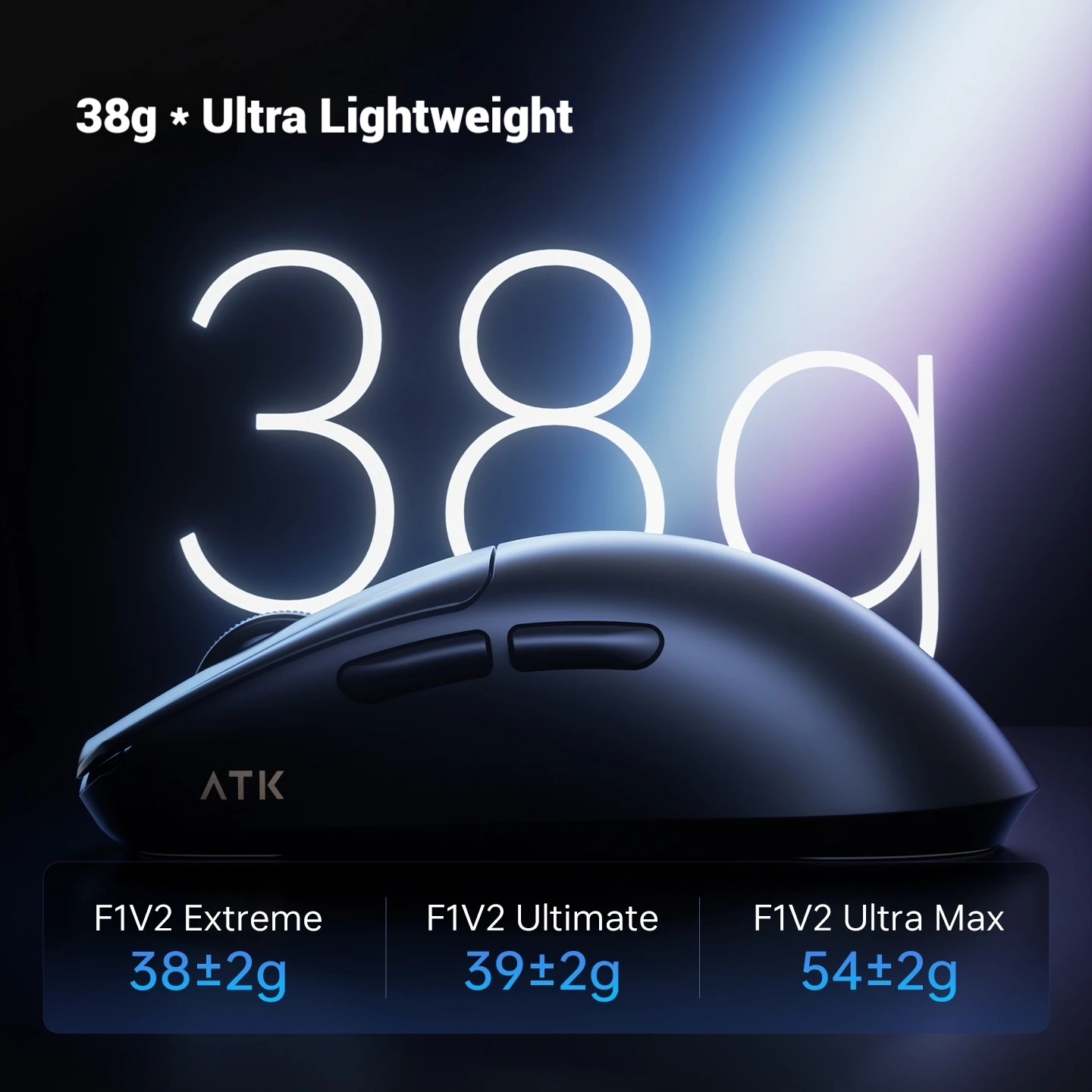
Wireless Mouse Built for Notes and Chart Switching
💬 Reviewer takeaway: if you constantly juggle charts, browser tabs, and notes, this basic tool is felt every day.
❓ FAQ

❓ Can I enter the Nasdaq with a lump sum now?
Hard to call this level “too late” outright, but after such a rally most frameworks prefer staged entries over one big buy — especially when Fed meetings, inflation prints, and earnings overlap.
❓ If a short-term pullback comes, what should I watch first?
Rate expectations, any reacceleration in inflation, and changes in Big Tech’s AI investment guidance. In particular, watch whether “AI spending continues while monetization lags.”
❓ Why do long-term investors still like the Nasdaq?
Because its top weights — Nvidia, Microsoft, Alphabet, Amazon, Broadcom — book actual AI infrastructure and service revenue. The case is verified in numbers, not narrative.
❓ Would the S&P 500 be easier for some people?
Yes. If the Nasdaq is the aggressive pick, the S&P 500’s broader sector mix eases the volatility burden — with the caveat that U.S. large caps broadly carry Big Tech exposure anyway.
🔎 Public sources referenced
- Nasdaq-100 official overview
- Nasdaq official NDX level page
- Invesco QQQ official page
- Federal Reserve FOMC statement – March 18, 2026
- Federal Reserve SEP table – March 2026
- BLS CPI release – March 2026
- BLS Employment Situation release – April 3, 2026
- NVIDIA FY2026 Q1 results
- Microsoft FY2026 Q2 results
- Alphabet Q4 2025 earnings call
- Amazon Q4 2025 results
- Broadcom Q1 FY2026 results