


The S&P 500 often feels like the easier decision — a simple way to own all of America at once. 😊
In practice it is not that simple. The sectors are broadly diversified, yet the top-weighted names still dominate what the index actually feels like.
As of April 15, 2026, this piece covers where the S&P 500 stands, why short-term wobbles are plausible, and why so many investors still treat it as the default core holding.

Pairs well with this article
Monitor Light Bar That Cuts Eye Strain
💬 One-line tip: late-night chart sessions get noticeably kinder to your eyes once you fix the ambient lighting alone.
✨ Key takeaways

Up front: the S&P 500 remains a perfectly defensible core of a U.S. equity portfolio. But today it is not just diversification — actual returns are being driven largely by Big Tech and the AI trade.
Long term, that is fine. Short term, the index remains exposed to rates, inflation, and any reset in expectations for its biggest holdings.
- Long-term strength: broad ownership of U.S. large caps.
- Short-term variables: the rate path and Big Tech’s earnings bar.
- Practical point: great for steady accumulation, but keep checking the macro.
📈 Where the S&P 500 stands right now

On the official S&P page, the index stood at 6,582.69 in early April 2026, a 16.08% return over the trailing year. SPY, the flagship ETF, held a similarly elevated $694.46 on April 15, 2026.
In other words, the U.S. market is not sitting in a collapse-and-bargain zone; it is priced at a fairly rich level reflecting earnings and rate expectations. And even with 500 constituents, the lived experience of the index is heavily shaped by its largest names.
The official SPY factsheet makes the concentration plain in its top holdings and weights — you cannot really read the S&P 500 without reading Big Tech.
- A default index, but at an elevated level today.
- Broad by design, yet strongly influenced by the top of the stack.
- Comfortable choice, not a simple one.
🚀 Why it still earns a spot at the core of portfolios

The index’s strength is that it captures U.S. large-cap profit growth and innovation in a single wrapper: Apple, Microsoft, Nvidia, Amazon and Alphabet on top; financials, industrials, healthcare and consumer staples underneath.
The Fed’s median 2026 GDP projection sits at 2.4%, and the labor market is not cracking — hard to square with an imminent deep recession.
And Big Tech results are genuinely strong. Azure up 39%, AWS up 24%, Alphabet Cloud up 48% — those are the numbers propping up the index’s ceiling.
- The structure itself — owning all of U.S. large caps — is the long-run edge.
- This is not a market that folds on recession fear alone.
- Top-tier earnings strength underwrites the whole index.

Pairs well with this article
Laptop Stand That Makes Long Sessions Easier
💬 One-line tip: raising your eye line just a little cuts intraday fatigue more than you would expect.
⚠️ What deserves caution in the near term

First, rates. At its March 18, 2026 meeting the Fed held the policy rate at 3.50%–3.75% and flagged elevated uncertainty. If rate-cut hopes keep getting pushed back, the index will feel it.
Second, inflation and payrolls. March CPI ran 3.3% year over year while nonfarm payrolls added 178,000. Neither terrible nor comfortable — exactly the mushy macro that feeds volatility.
Third, concentration. Even a wide index is often carried by a handful of mega-caps; when those names stumble in earnings season, the whole index feels it.
- A slower-than-hoped Fed path weighs on the multiple.
- Sticky-but-not-breaking inflation and jobs keep the market twitchy.
- If the giants wobble, the index wobbles with them.
🧭 How to approach the S&P 500 from here

As a long-horizon, dollar-cost-averaging vehicle the index still makes sense. In this stretch, though, steady incremental buying is a more natural stance than one enthusiastic lump sum.
Index products spare you single-name earnings misses, but in exchange they leave you broadly exposed to the macro and to expectations at the top of the index.
So: fine as a permanent core holding — just stage the entries after the recent run.
- Still valid for long-term accumulation.
- Splitting purchases is the calmer path from these levels.
- Dial the pace around Fed meetings and earnings season.
🗓️ What to watch alongside it

Keep the Fed, CPI, payrolls, and Big Tech results on the same screen. A U.S. index may look broad, but its day-to-day character is set by a few top companies and the macro backdrop.
Through 2026, also watch how long the AI concentration persists — and whether the rest of the index’s sectors can catch up.
- The Fed and inflation prints
- Employment data and the pace of slowdown
- Top-cap earnings and guidance
- Whether index concentration keeps rising
Pairs well with this article
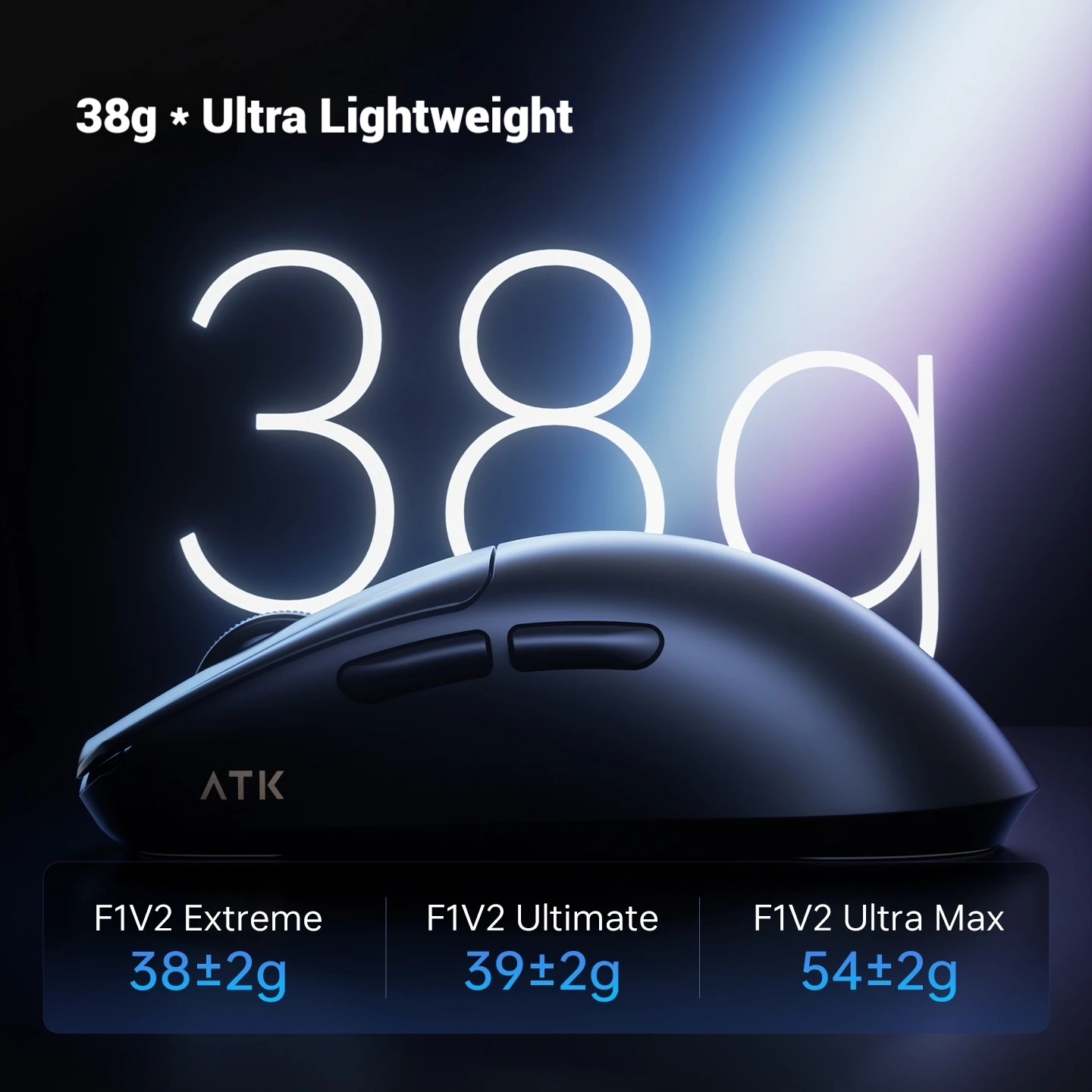
Wireless Mouse Built for Notes and Chart Switching
💬 One-line tip: if you live between charts, notes, and browser tabs, the right basic tool is felt more than you’d think.
❓ FAQ

❓ Can I just buy the S&P 500 right now?
For a long horizon it is still a legitimate core holding, but given the price level and the macro variables, staged entries will be easier to live with.
❓ Is it safer than the Nasdaq?
Less aggressive, relatively speaking — but with top-cap Big Tech steering the index, it is not exactly a different world.
❓ Will delayed rate cuts hit the S&P 500 too?
Yes. If the rate-sensitive growth giants at the top wobble, the index feels it in the short run.
❓ Still fine for long-term investors?
Yes. As a single wrapper over all of U.S. large caps, it remains a meaningful core allocation.
🔎 Public sources referenced


