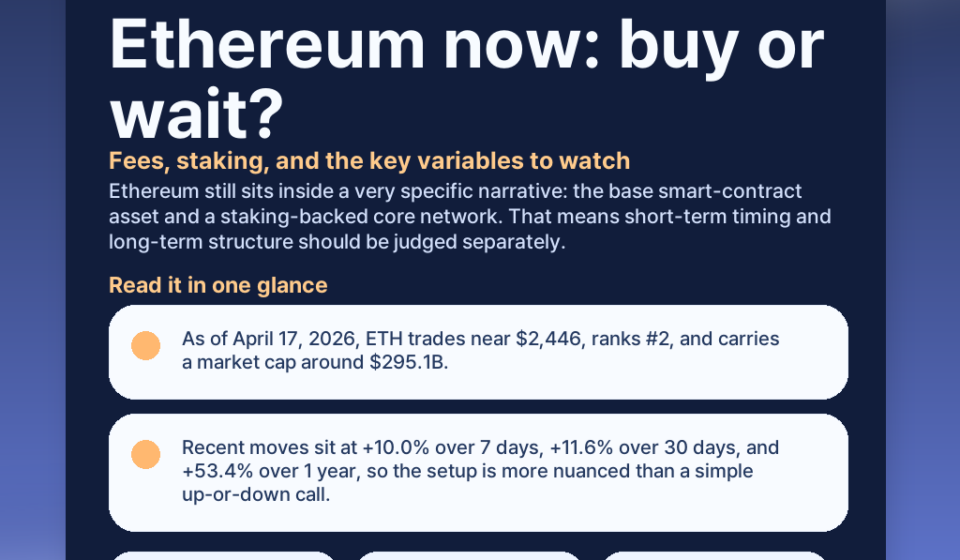

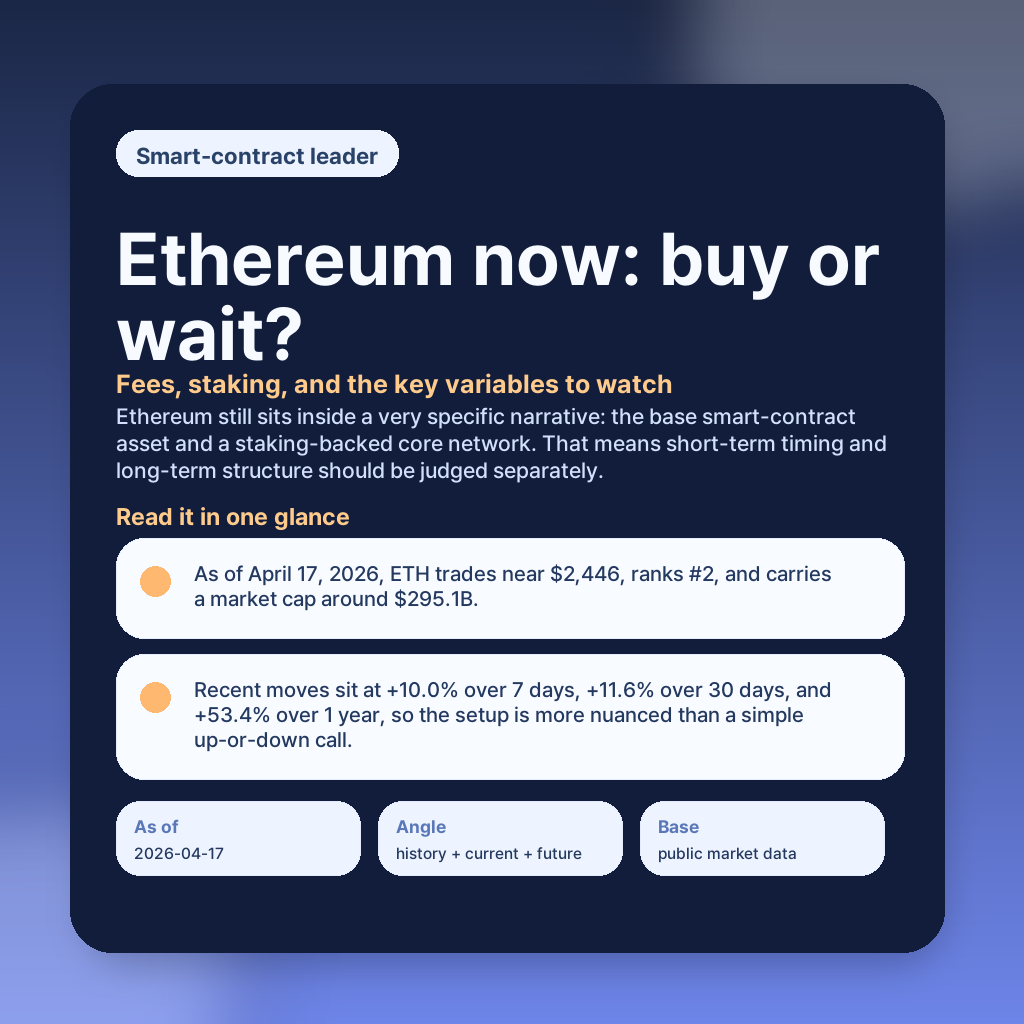
Ethereum is one of those crypto assets that can look simple from a distance and much harder to judge once you break down the actual drivers. 🙂
That is because the market is not just pricing a chart. It is pricing the base smart-contract asset and a staking-backed core network, recent momentum, and whether the next phase of demand still has room to develop.
So instead of forcing a quick yes-or-no answer, this draft starts with the history, then checks the current setup, and finally separates the shorter-term risk from the longer-term thesis.

Useful near the top
Monitor light bar that makes late-night chart reading easier
💬 Reader-style take: a simple desk light often does more for long chart sessions than people expect.
✨ Key Takeaways
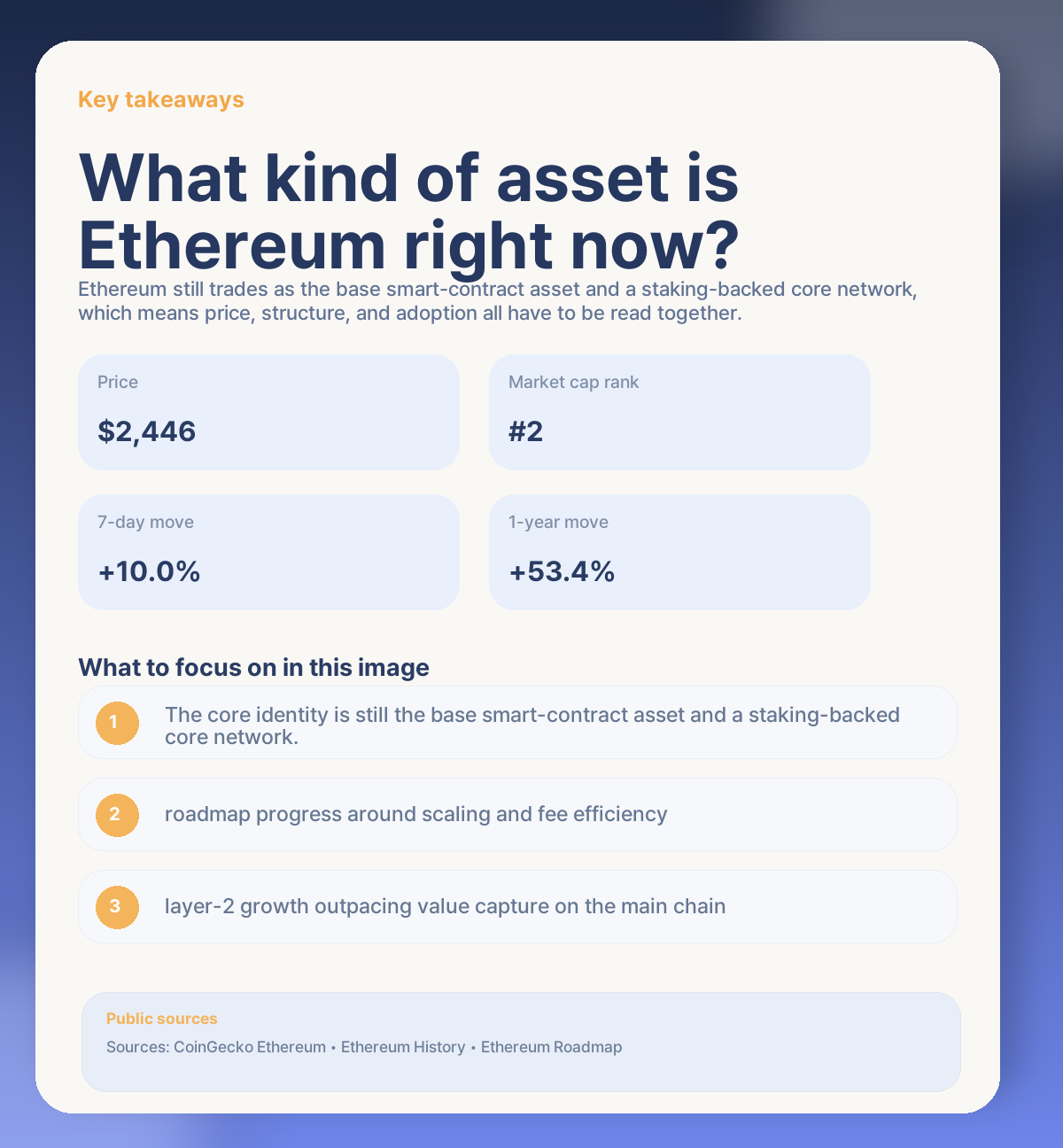
As of April 17, 2026, Ethereum trades near $2,446, ranks #2, and still sits inside a market narrative that is clear enough for investors to track closely.
But this is not only about whether the asset looks interesting. It is also about whether the market is still weighing layer-2 expansion against Ethereum mainnet value capture. Momentum is still positive on both the 7-day and 30-day view, which suggests the market has not fully lost interest yet.
- Ethereum is still best understood through the lens of the base smart-contract asset and a staking-backed core network.
- The current market debate is whether roadmap progress around scaling and fee efficiency and staking depth and security premium can keep reinforcing the thesis.
- Short-term timing and long-term conviction should not be treated as the same decision.
📚 Ethereum history first: why this asset still matters
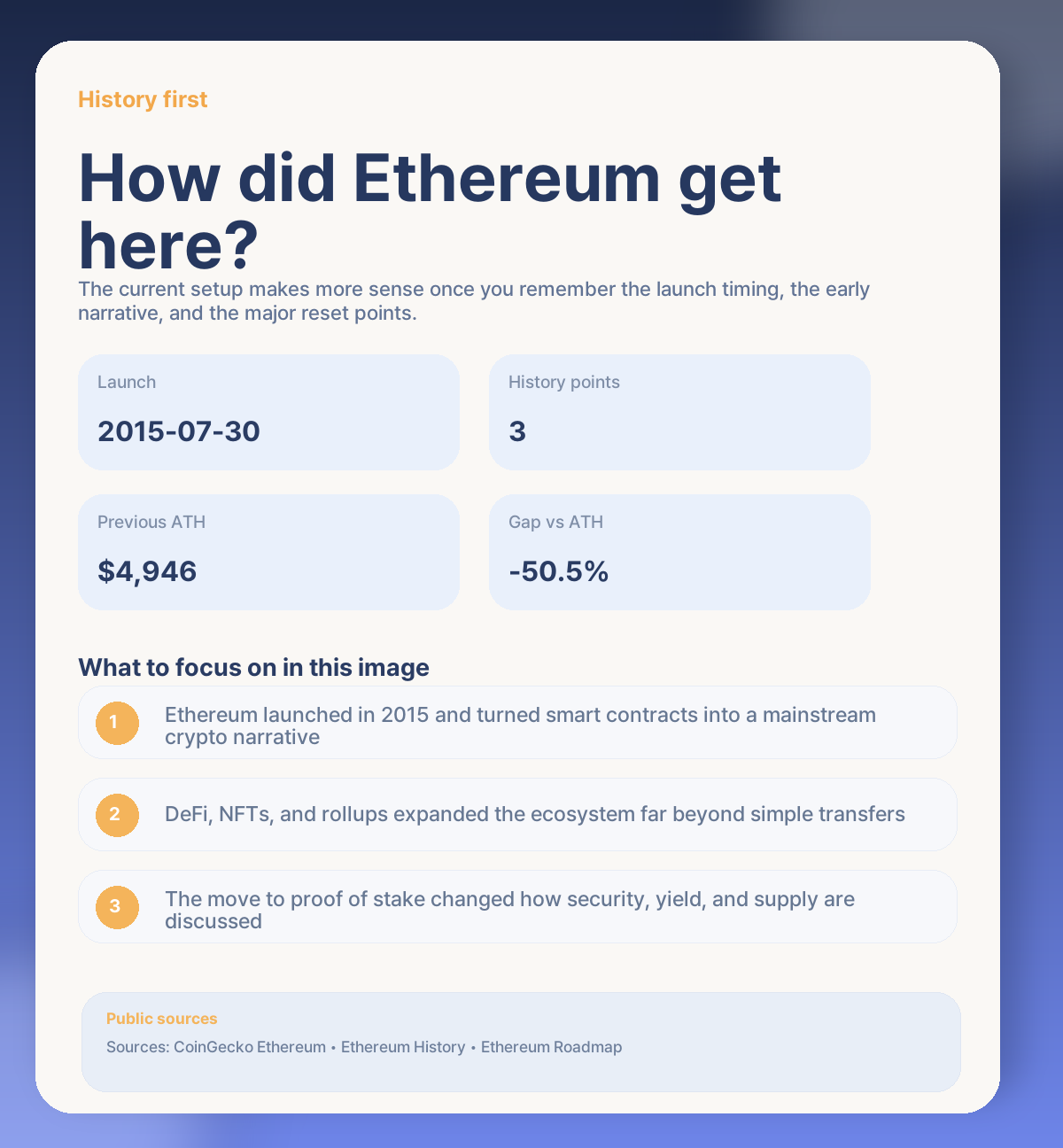
Ethereum did not reach its current place through one clean move. The larger story came from repeated cycles, resets, and attempts to prove that the base smart-contract asset and a staking-backed core network could matter in practice.
The key history points still shape the current setup: Ethereum launched in 2015 and turned smart contracts into a mainstream crypto narrative, DeFi, NFTs, and rollups expanded the ecosystem far beyond simple transfers, and The move to proof of stake changed how security, yield, and supply are discussed.
That is why the current price alone never tells the full story. The market is also reacting to how much of that earlier narrative still feels alive now.
- Ethereum launched in 2015 and turned smart contracts into a mainstream crypto narrative
- DeFi, NFTs, and rollups expanded the ecosystem far beyond simple transfers
- The move to proof of stake changed how security, yield, and supply are discussed
📊 Ethereum today: where the market stands right now
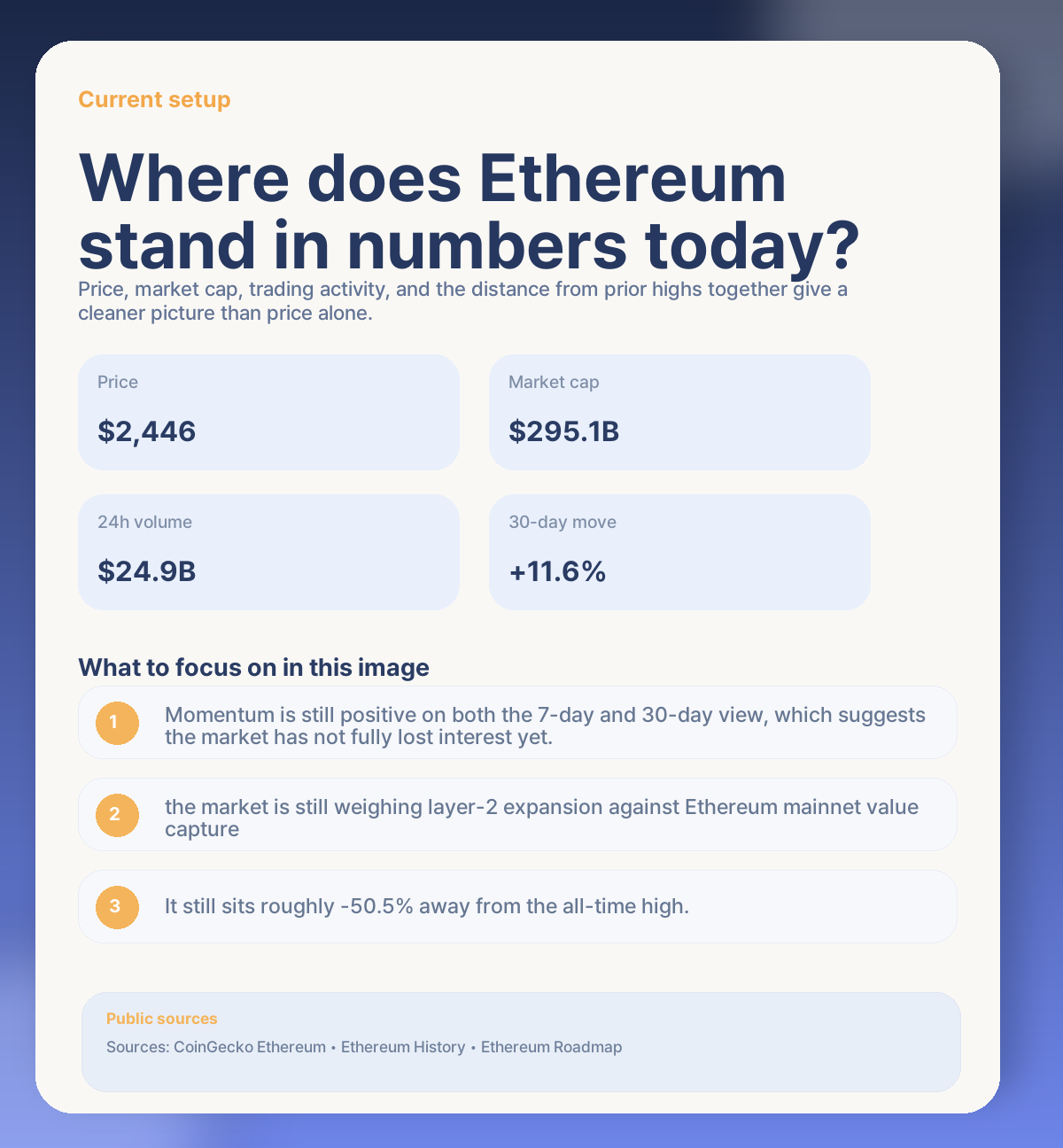
Right now the market is looking at a price near $2,446, market cap around $295.1B, and 24-hour volume near $24.9B. That still points to a liquid, visible asset with room to matter.
At the same time, the market is asking whether the market is still weighing layer-2 expansion against Ethereum mainnet value capture. That question becomes more important once a coin is no longer early and ignored.
So the current setup is less about discovery and more about whether the thesis is still strong enough to justify the price after a fuller market cycle. The asset is still roughly -50.5% away from its all-time high.
- Price near $2,446, market-cap rank #2
- 30-day move +11.6%, 1-year move +53.4%
- Still sensitive to narrative quality and market positioning

Useful in the middle
Adjustable laptop stand for long screen time
💬 Reader-style take: getting your screen a little higher can noticeably reduce fatigue during long market hours.
🔭 Long-term outlook: what could keep Ethereum strong from here?
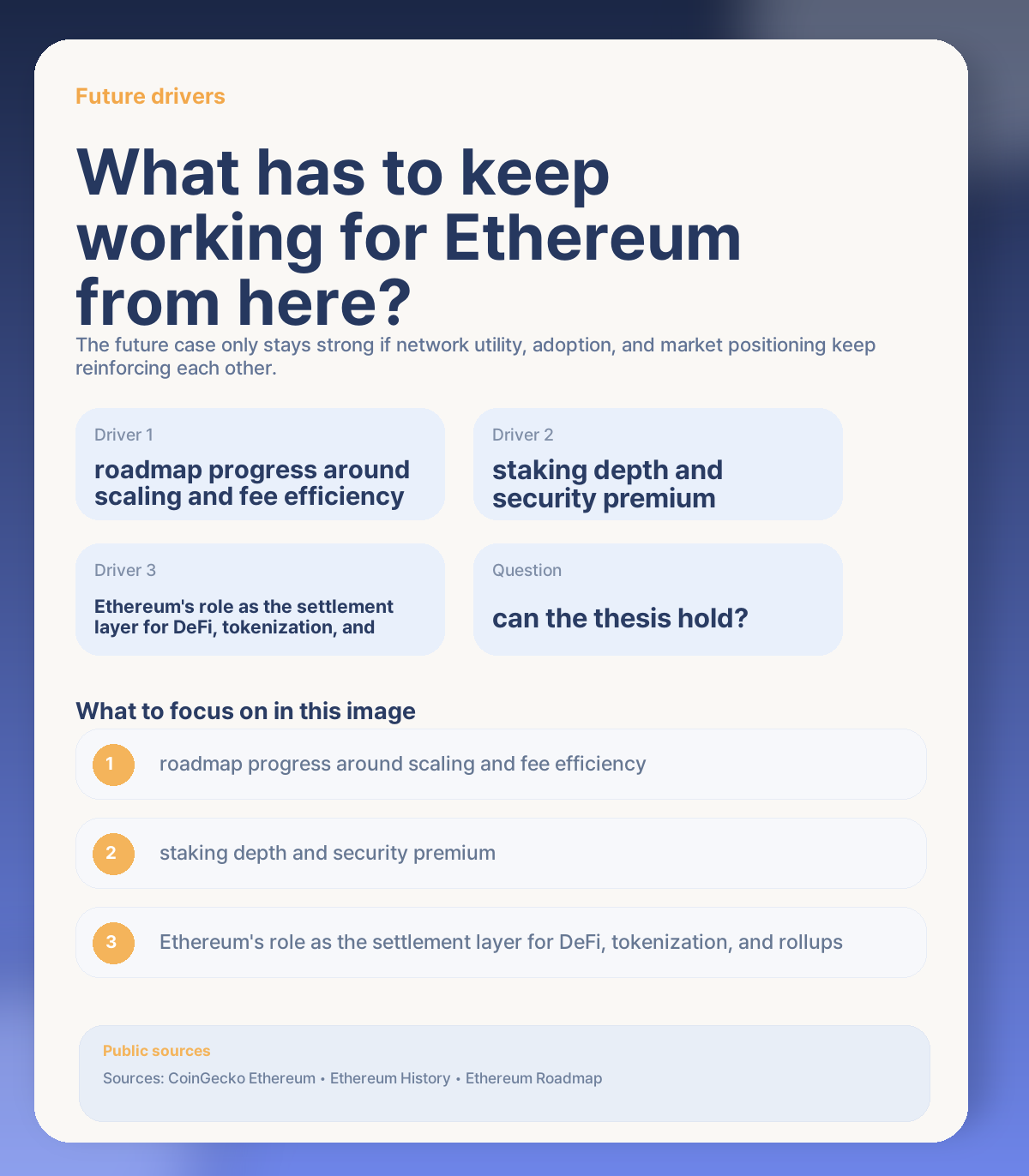
The long-term case depends on a few pieces continuing to work at the same time. The most important ones are roadmap progress around scaling and fee efficiency, staking depth and security premium, and Ethereum’s role as the settlement layer for DeFi, tokenization, and rollups.
None of these guarantees a straight line higher, but together they explain why the market still keeps coming back to the asset.
That is the practical long-term question: not whether the story sounds good, but whether Ethereum can keep turning that story into visible demand, usage, or strategic relevance.
- roadmap progress around scaling and fee efficiency
- staking depth and security premium
- Ethereum’s role as the settlement layer for DeFi, tokenization, and rollups
⚠️ Short-term risks: what could still go wrong for Ethereum?
The first risk is that expectations may already be ahead of what the network or ecosystem is delivering right now. That is where even good assets can start to wobble.
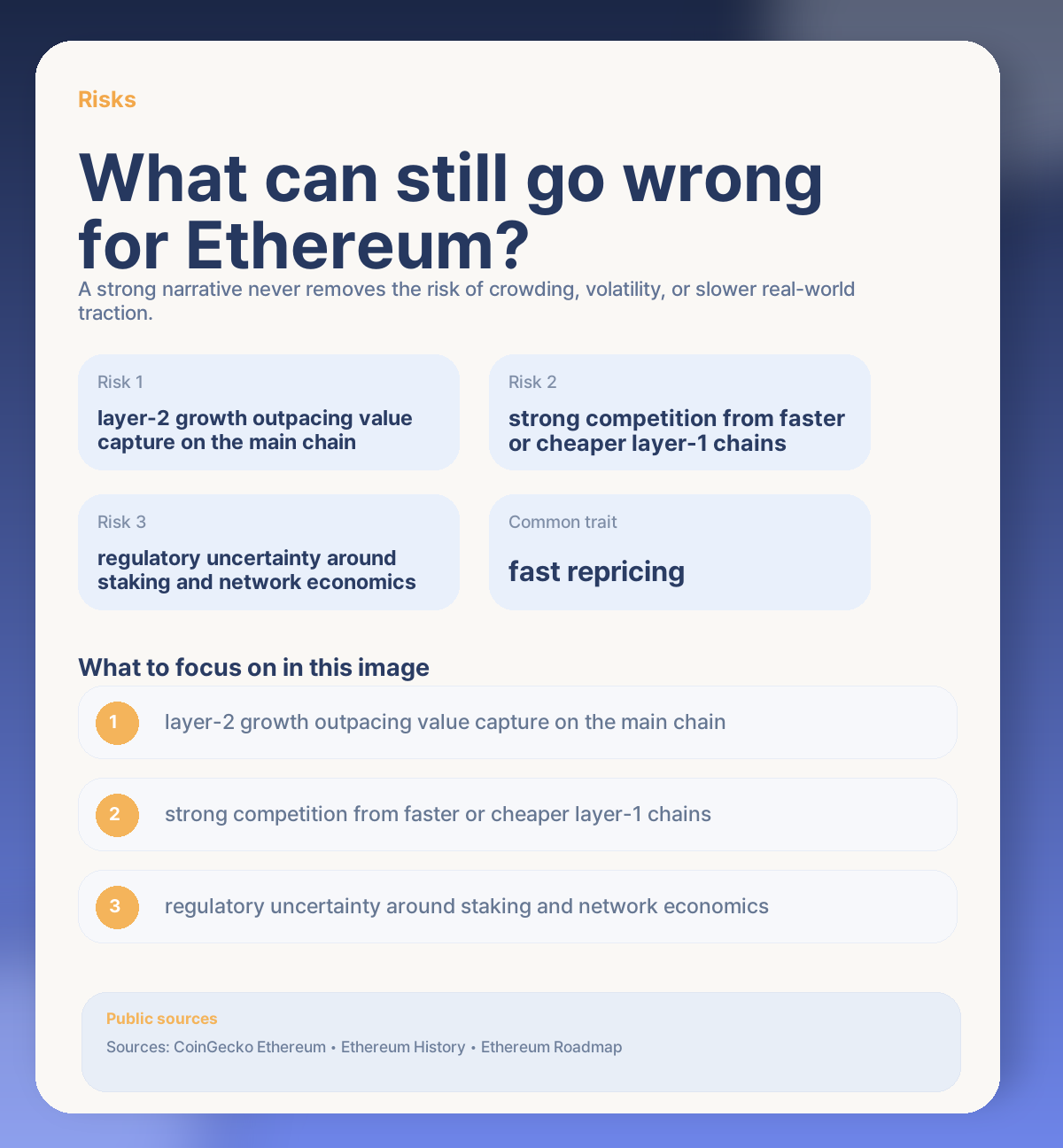
Beyond that, layer-2 growth outpacing value capture on the main chain, strong competition from faster or cheaper layer-1 chains, and regulatory uncertainty around staking and network economics all matter because they affect how quickly the market can reprice the thesis.
So the short-term risk is not that the long-term idea disappears overnight. It is that the market can cut the multiple hard when confidence or positioning slips.
- layer-2 growth outpacing value capture on the main chain
- strong competition from faster or cheaper layer-1 chains
- regulatory uncertainty around staking and network economics
🧭 So what is the more realistic stance on Ethereum right now?
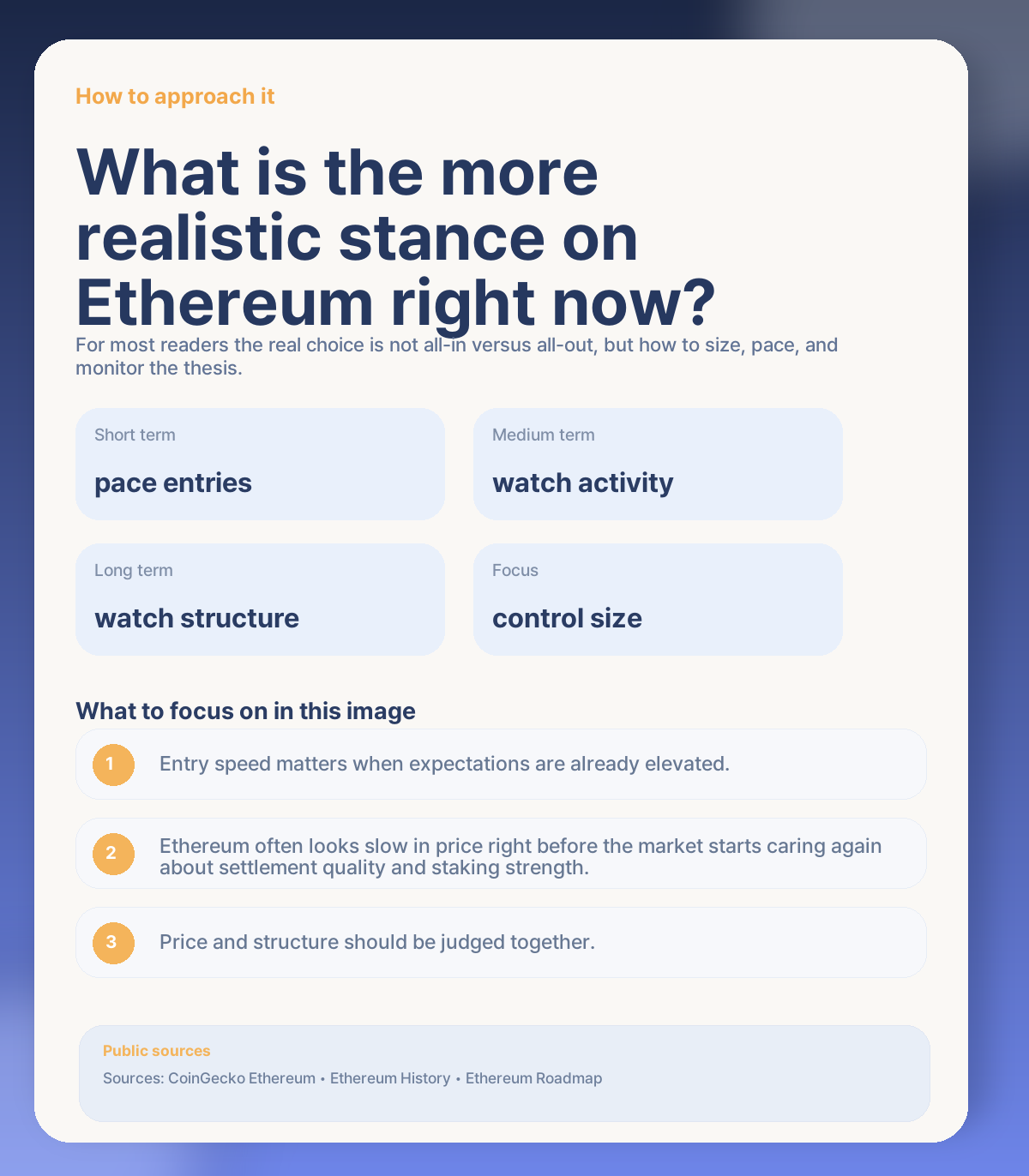
For most readers, the realistic answer is somewhere between a full chase and total avoidance. Position sizing and pacing matter more when narratives are already well known.
If your horizon is short, price swings and sentiment shifts deserve more respect. If your horizon is long, the better question is whether the structure behind the asset still looks credible.
Ethereum often looks slow in price right before the market starts caring again about settlement quality and staking strength.
- Pacing entries is usually safer than forcing a perfect call.
- Separate short-term timing from long-term conviction.
- Keep checking whether the public data still supports the story.
📝 What to keep checking next on Ethereum
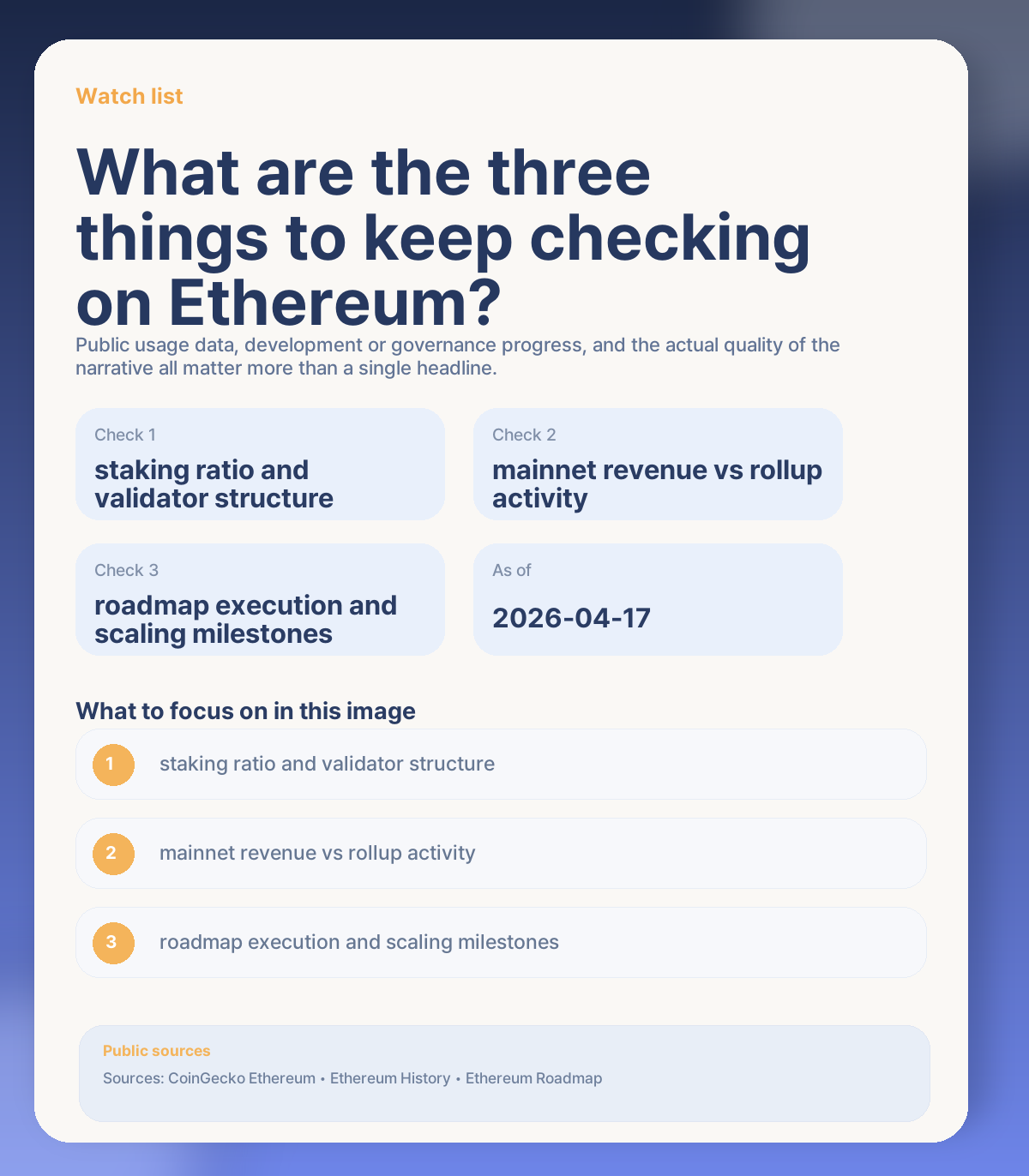
If you want a calmer read, keep watching staking ratio and validator structure, mainnet revenue vs rollup activity, and roadmap execution and scaling milestones.
That mix matters because Ethereum now trades at the intersection of usage, credibility, and investor psychology rather than on hype alone.
- staking ratio and validator structure
- mainnet revenue vs rollup activity
- roadmap execution and scaling milestones
Useful near the end
Wireless mouse that makes chart and note switching easier
💬 Reader-style take: if you keep switching between charts, notes, and browser tabs, this kind of tool helps more than it looks.
🙋 Frequently Asked Questions

❓ Is it already too late to watch Ethereum now?
Not necessarily, but the easy part of the story may already be behind the market. What matters most is whether you are looking for short-term upside or slower long-term exposure.
❓ Why do some investors still see a long-term case for Ethereum?
Because the thesis still has structure behind it: roadmap progress around scaling and fee efficiency, staking depth and security premium, and the possibility that Ethereum’s role as the settlement layer for DeFi, tokenization, and rollups keeps strengthening the story.
❓ What is the biggest near-term risk for Ethereum?
The biggest near-term risk is usually that expectations outrun delivery. That can happen through layer-2 growth outpacing value capture on the main chain or through broader confidence slipping faster than people expect.
❓ What should I watch next to stay objective on Ethereum?
Start with staking ratio and validator structure, mainnet revenue vs rollup activity, and roadmap execution and scaling milestones. Those are usually more useful than reacting to one headline at a time.
🔎 Public Sources Used