
The KOSPI has moved into a very different market regime in June 2026. Based on the public data checked before this draft, it is safer to say that the index has been trading near the 9,000 area with elevated volatility, rather than claiming a confirmed and permanent breakout above 9,000.
The core question is simple: can the KOSPI reach 10,000? The short answer is yes, it is possible, but it is not automatic. A move toward 10,000 would need semiconductor earnings, foreign inflows, a stable won, lower Korea-discount concerns, and broader sector participation beyond Samsung Electronics and SK hynix.
✨ Key Takeaway
KOSPI 10,000 is no longer a fantasy number, but it is still a conditional target. The market can keep moving higher if AI semiconductor demand translates into real earnings and if foreign investors continue to treat South Korea as a key AI supply-chain market.
The risk is speed. A market that rises very quickly can pause even on good news if valuations already reflect too much optimism. For investors, the better question is not "will KOSPI go up?" but "what conditions must stay intact for the index to move toward 10,000?"
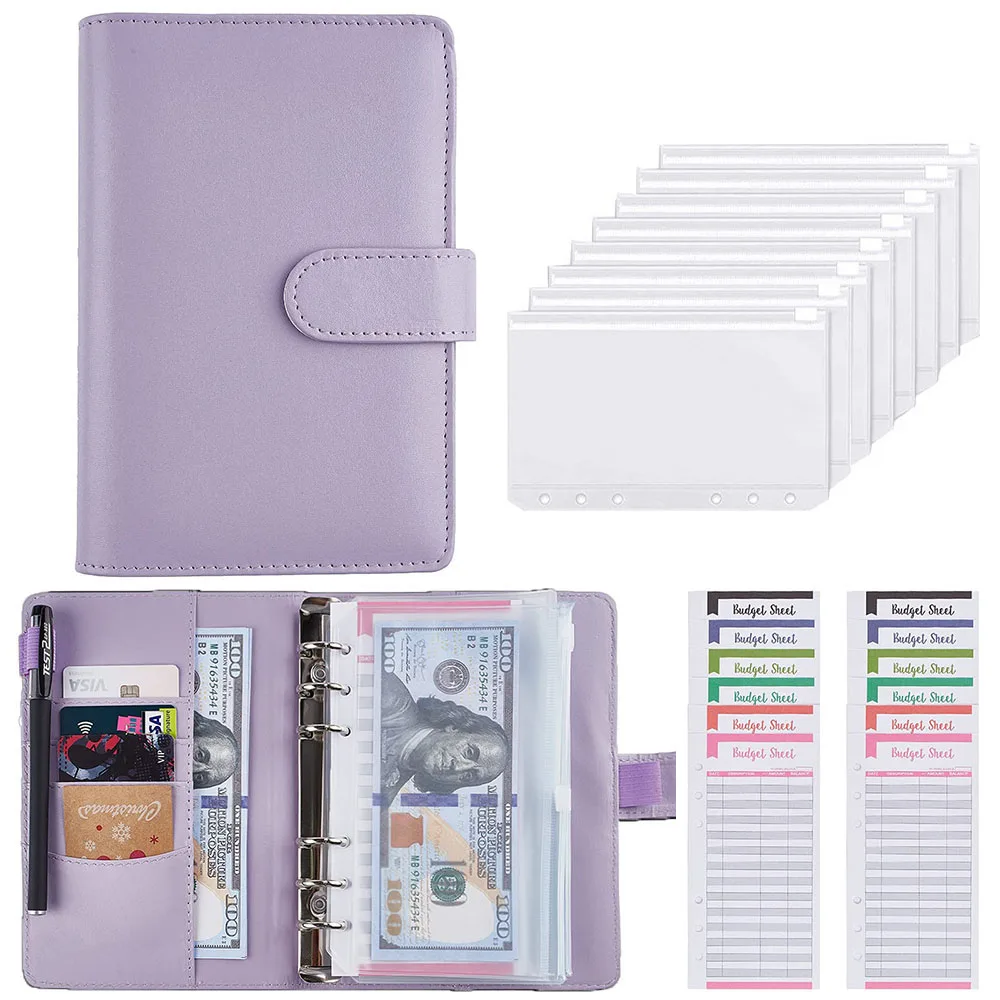
Early pick
A6 Budget Binder Set
A compact A6 organizer for splitting index notes, stock ideas, and shopping price checks.
Useful for writing down index levels, watchlist names, and staged-buying rules before the market gets emotional.
What Is Driving the KOSPI Rally?
| Driver | Positive signal | Risk to watch |
|---|---|---|
| AI semiconductors | Demand for HBM, DRAM, and server memory | Valuation pressure if earnings lag expectations |
| Foreign inflows | Global investors may raise Korea semiconductor exposure | Sensitive to USD/KRW, US rates, and risk-off moves |
| Corporate value-up | Buybacks, dividends, and governance reform | Policy hopes must turn into real shareholder returns |
| Sector breadth | Financials, shipbuilding, defense, power equipment, autos | Index strength weakens if only two chip stocks lead |
| Currency | A stable won can help foreign participation | A sharp won selloff may trigger profit-taking |
For the KOSPI to keep rising, the AI semiconductor cycle has to become visible in reported earnings. The market discounts the future, but at some point quarterly results and guidance must confirm the story.
What Would Make KOSPI 10,000 Possible?
The first requirement is sustainable semiconductor earnings. Samsung Electronics and SK hynix need more than strong share prices. They need rising demand and pricing power in HBM, high-performance DRAM, and server memory.
The second requirement is market breadth. A KOSPI 10,000 scenario is healthier if financials, shipbuilding, defense, power equipment, autos, and biotech also contribute. A narrow rally led only by Samsung Electronics and SK hynix would be more fragile.
The third requirement is a lower Korea discount. Long-term foreign capital usually needs shareholder returns, transparent accounting, credible governance, and policy stability. If investors see Korea as a structural AI supply-chain market instead of a short-term trade, the 10,000 level becomes more realistic.
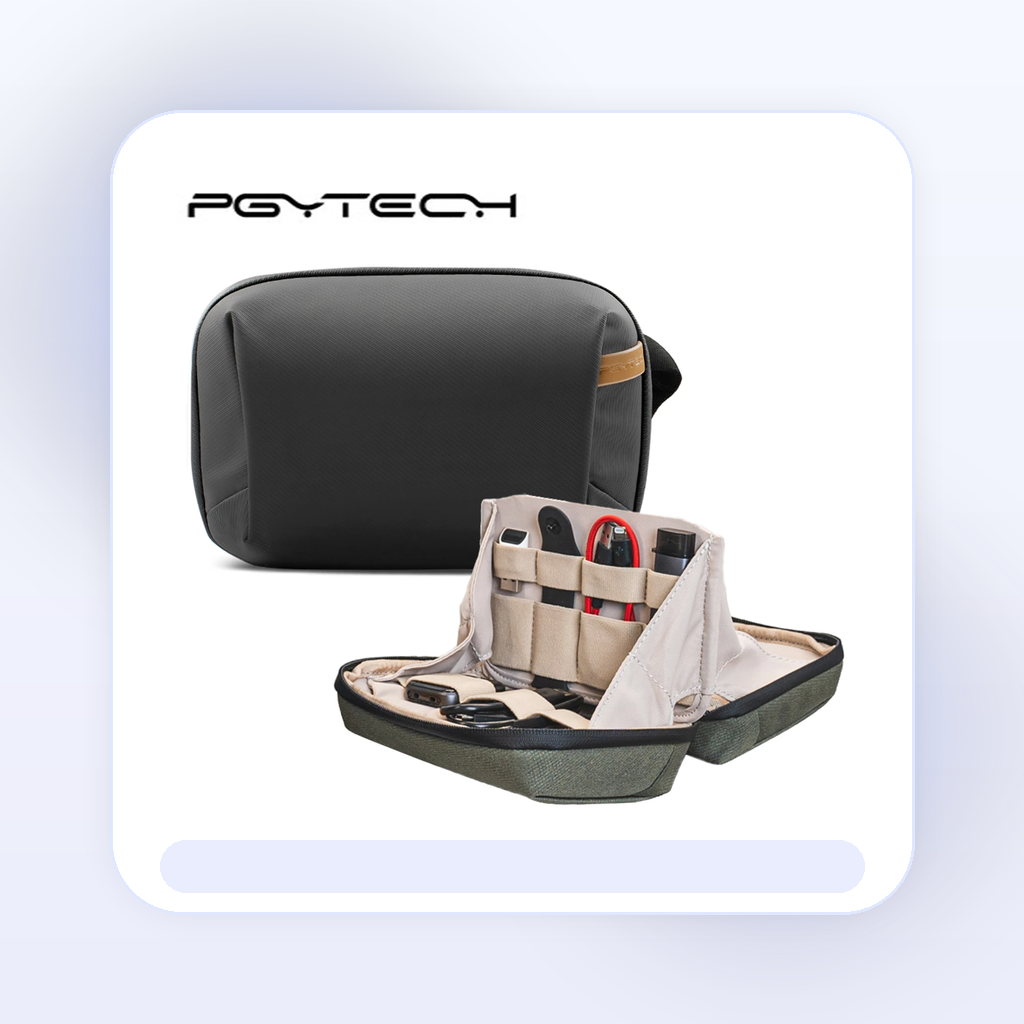
Mid-article pick
PGYTECH Tech Organizer Pouch
A compact pouch for cables, power banks, external drives, and desk tech accessories.
Helpful if you follow market data on a laptop or tablet and want to keep chargers and accessories organized.
Risks That Could Slow the Move
The biggest risk is momentum itself. Fast rallies often become vulnerable to small disappointments. Even strong earnings may not be enough if expectations have moved too far ahead.
The second risk is semiconductor concentration. If the KOSPI rises mainly because of Samsung Electronics and SK hynix, a correction in those two stocks can pull the entire index down.
The third risk is global macro pressure. US interest rates, the dollar, Middle East risk, and debate about AI capex overheating can all affect Korean equities. Korea's market may be tied more closely to the global AI trade than usual.
Investor Checklist
- Does the KOSPI regain the 9,000 area with strong trading value?
- Are sectors beyond Samsung Electronics and SK hynix participating?
- Are foreign inflows spreading beyond semiconductors?
- Is USD/KRW stable enough to support foreign buying?
- Do upcoming semiconductor earnings confirm HBM and server-memory demand?
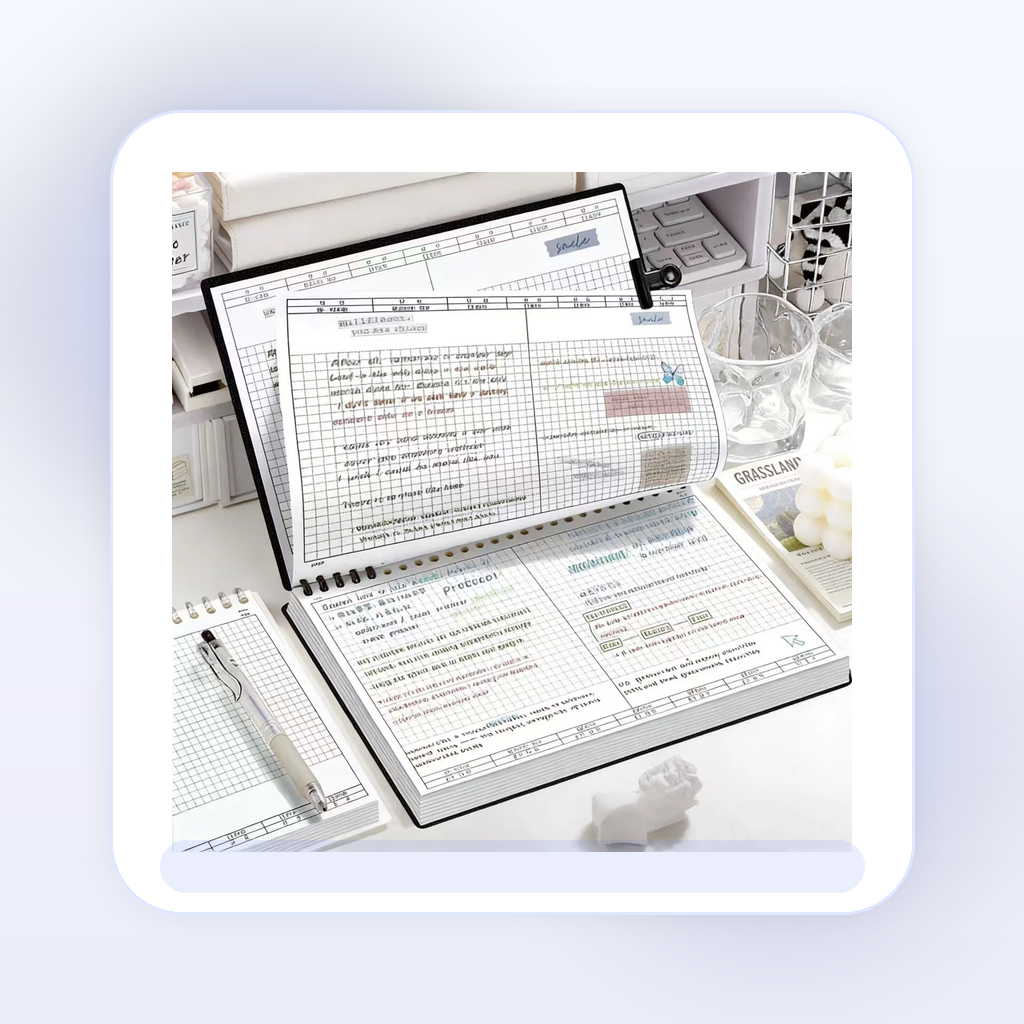
Final check
Looseleaf Memo Notepad
A looseleaf-style notepad for tracking assumptions, earnings dates, and deal checkpoints.
A simple way to track the KOSPI, USD/KRW, foreign flows, and sector rotation without chasing every headline.
FAQ
Can the KOSPI reach 10,000 in 2026?
It can, but the better answer is "conditionally possible." Semiconductor earnings, foreign inflows, and broader sector participation would need to stay strong at the same time.
Is it too late to invest after such a big move?
Not necessarily, but the approach matters more. After a fast rally, staged entries, sector diversification, and patience around pullbacks become more important.
Should investors watch Samsung Electronics and SK hynix more than the index?
Those two stocks matter a lot, but they are not the whole market. Financials, shipbuilding, defense, power equipment, autos, and biotech can show whether the rally has real breadth.
Bottom Line
KOSPI 10,000 is now a plausible market scenario, but it still depends on confirmation. The index needs real earnings, steady foreign demand, currency stability, shareholder-return progress, and broader sector strength.
At this stage, the process matters more than the round number. The most useful approach is to separate conditions that support further upside from signals that would suggest the market needs a pause.
Public Sources
This article is market commentary based on public sources, not investment advice. Investors are responsible for their own decisions.
